Textiles and Clothing
Laboratory testing to evaluate the performance, safety, and functional properties of textile materials, including antimicrobial activity. Ideal for technical apparel, specialty textiles, and skin-contact products, these tests ensure regulatory compliance and strengthen consumer trust.
Intro
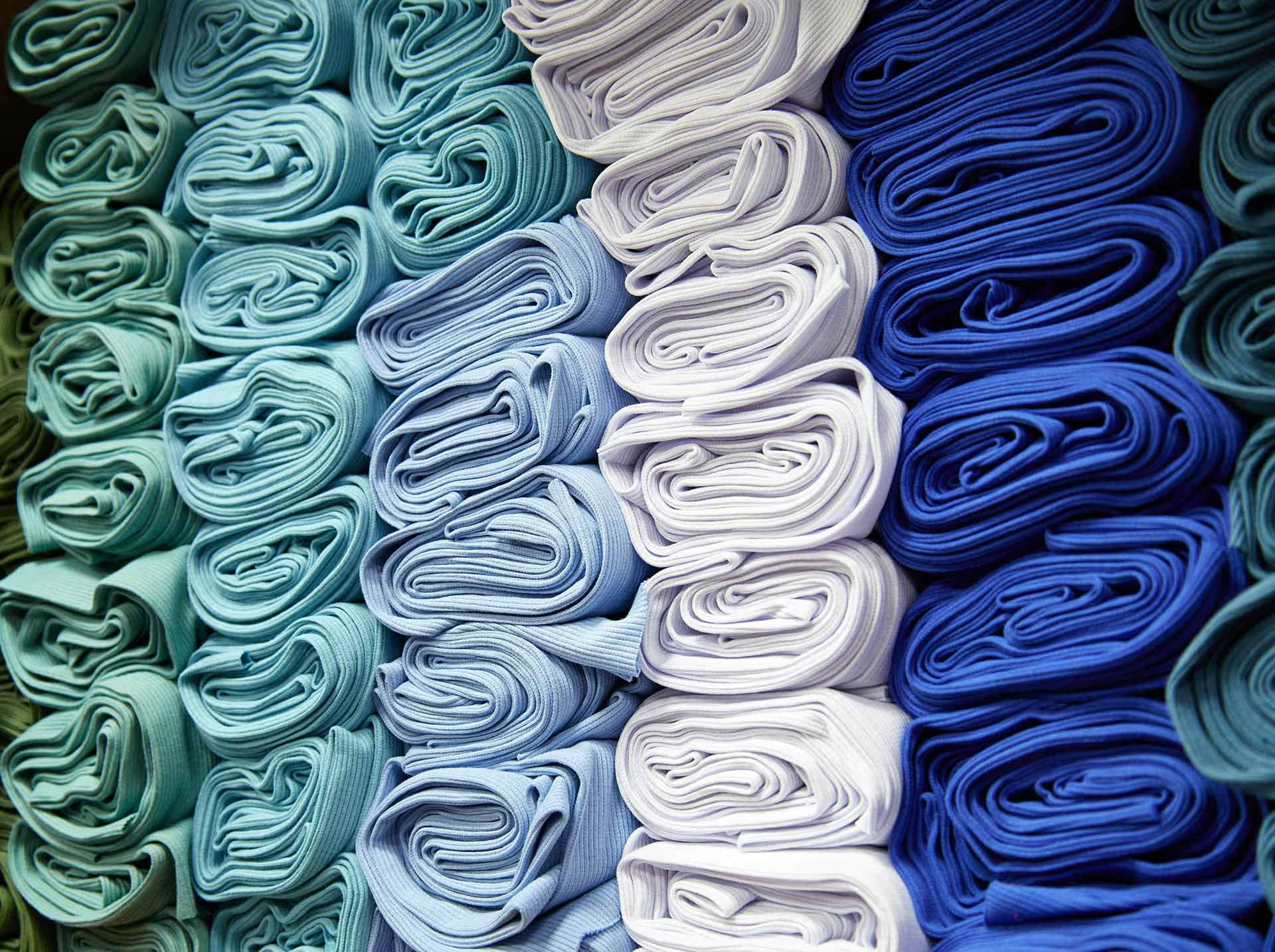
Laboratory testing assesses the performance, safety, and functional properties of textiles, including antimicrobial activity. These services are designed for technical apparel, specialty textiles, and skin-contact products, ensuring regulatory compliance and strengthening consumer trust. Sample types include protective clothing, antimicrobial-finish fabrics, hospital linens, and sportswear.
Why perform this service
Types of analyses performed
They consist of carrying out laboratory tests that make it possible to assess the physical properties of materials and products, such as strength, permeability, or behavior under different conditions. These tests are essential to verify performance, quality, and compliance with regulatory and standard requirements.
Laboratory tests that detect, identify and quantify microorganisms (bacteria, fungi, yeasts, parasites and others) to evaluate the safety and quality of products and environments.
Delivery process
1
Sampling plan
Definition of strategic collection points and frequency of analyses according to the needs of each client.
2
Parametric values
Legal limits established for each parameter, based on public health and environmental quality criteria.
3
Periodic reports
Obligation to communicate the results to the competent authorities and to the public, where necessary.
Applicable legislation
Biogerm is accredited by IPAC according to the NP EN ISO/IEC 17025 standard for various water tests.
Related industry sectors

Health
Related services
Waters
Human consumption

Waters
Legionella in water networks

Environment
Occupational air

Environment