Chemical contaminants
Laboratory tests for the detection of chemical contaminants in food.
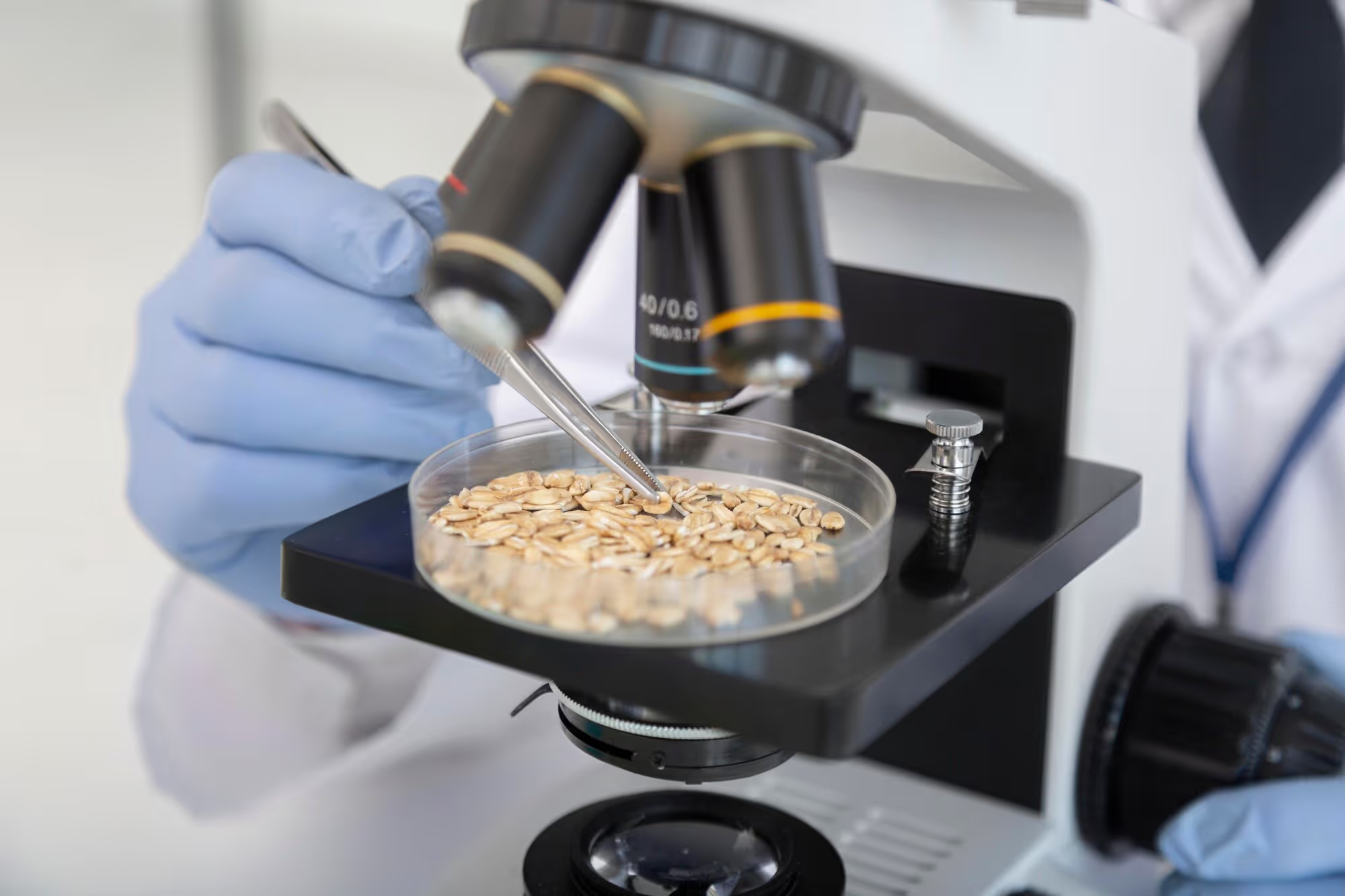
Intro
Chemical pollutants pose a potential risk to public health and are subject to strict legal limits. Biogerm supports food companies in monitoring these contaminants, contributing to legal compliance, food safety and consumer protection.
Why perform this service
Types of analyses performed
Laboratory tests that detect, identify and quantify microorganisms (bacteria, fungi, yeasts, parasites and others) to evaluate the safety and quality of products and environments.
Delivery process
1
Sampling plan
Definition of strategic collection points and frequency of analyses according to the needs of each client.
2
Parametric values
Legal limits established for each parameter, based on public health and environmental quality criteria.
3
Periodic reports
Obligation to communicate the results to the competent authorities and to the public, where necessary.
Applicable legislation
Biogerm is accredited by IPAC according to the NP EN ISO/IEC 17025 standard for various water tests.
Related industry sectors

Health

Accommodation and catering

Processing industries

Retail
Related services

Food
Additives

Food
Food safety

Food
Food microbiology

Food
Allergens and nutrition labelling

Waters